







Rainforests, explained
Rainforests play an invaluable role in sustaining life, but every year, large portions of them are cut down for logging, mining, and cattle ranches.
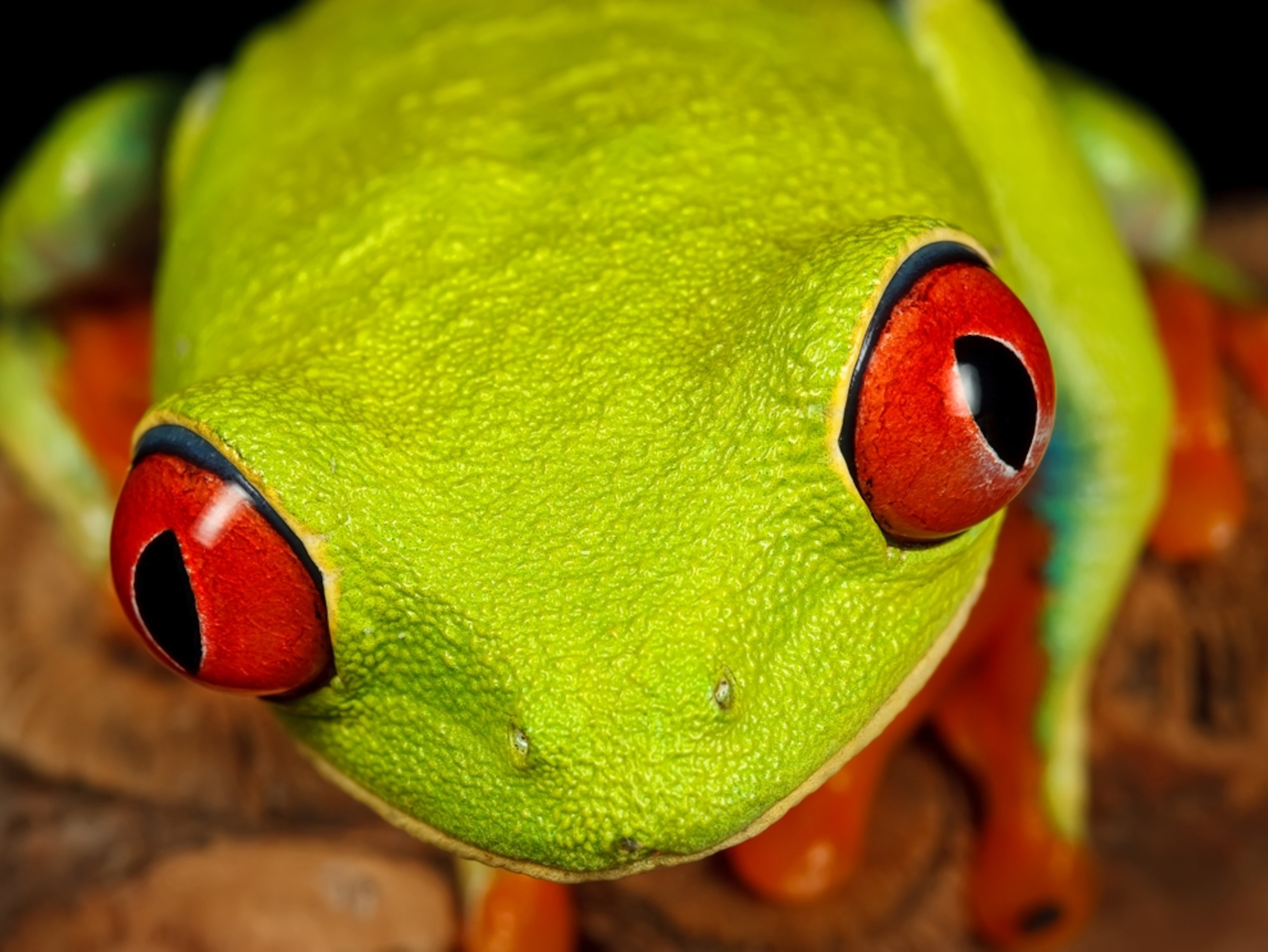
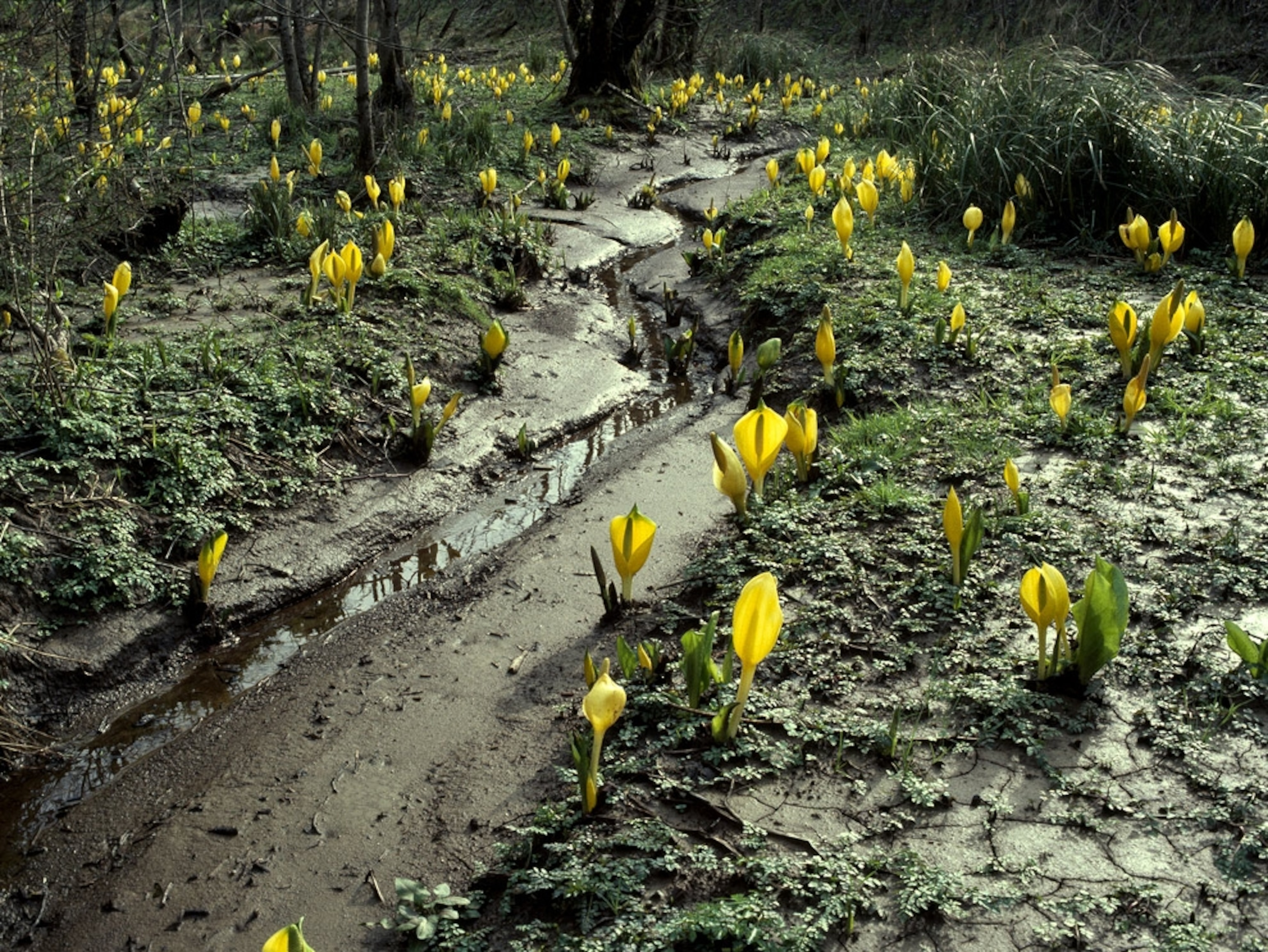
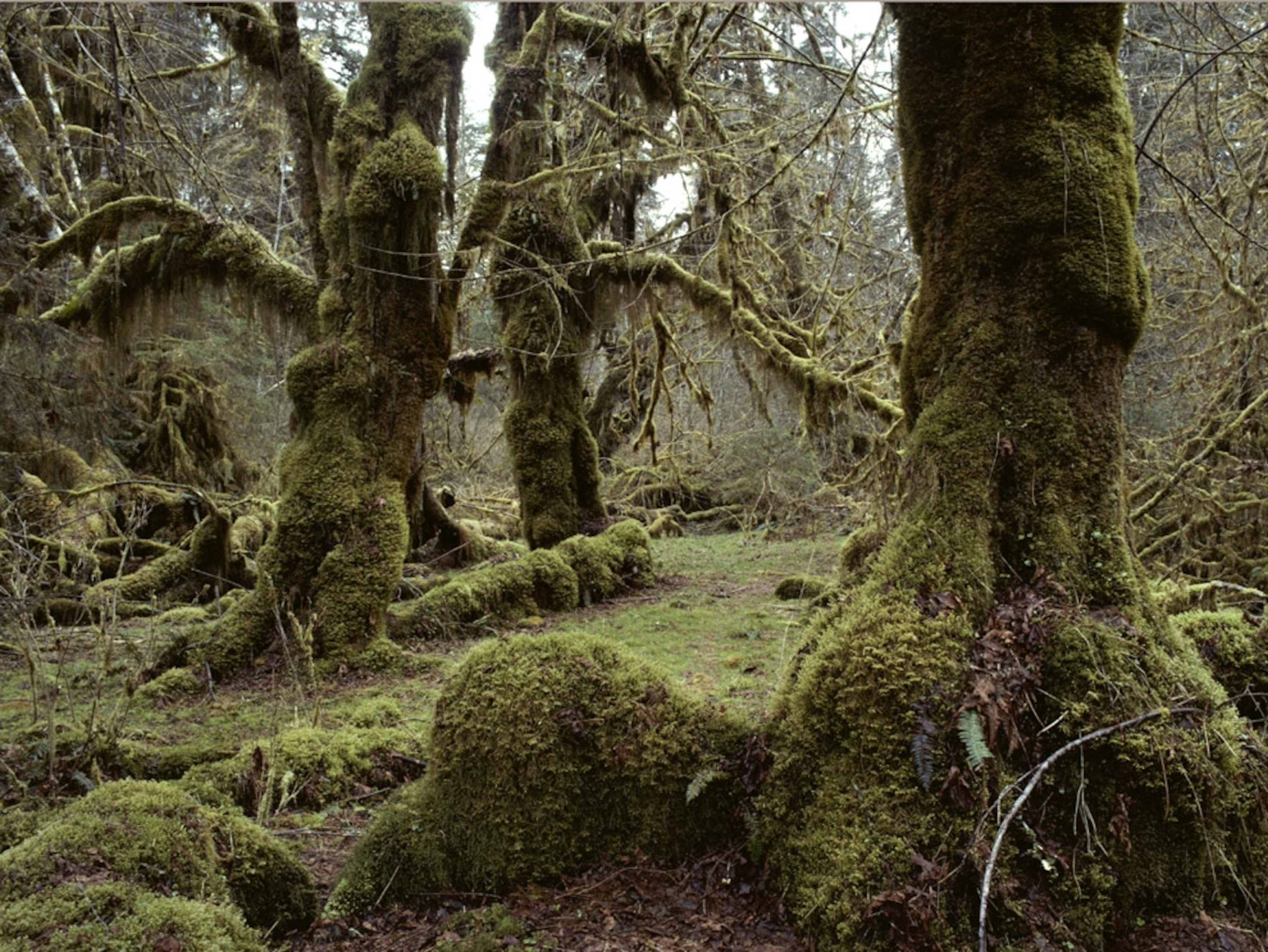
Found on every continent except Antarctica, rainforests are ecosystems filled with mostly evergreen trees that typically receive high amounts of rainfall. Tropical rainforests are found near the equator, with high average temperatures and humidity, while temperate rainforests lie mostly in coastal, mountainous areas within the mid-latitudes.
A rainforest is typically made up of four key layers: emergent, upper canopy, understory, and forest floor. In the top emergent layer, trees as tall as 200 feet (60 meters) grow far apart and tall, their branches reaching above the canopy. The upper canopy, a deep layer of vegetation roughly 20 feet (6 meters) thick, houses most of the rainforest's animal species and forms a roof that blocks most light from reaching below.
Below the canopy, the understory is a low-light layer dominated by shorter plants with broad leaves, such as palms and philodendrons. On the dark forest floor, few plants are able to grow and decaying matter from the upper layers is prevalent, feeding the roots of the trees.
Why "rain" forests?
Rainforests are often partly self-watering. Plants release water into the atmosphere through a process called transpiration. The moisture helps create the thick cloud cover that hangs over most rainforests. Even when it's not raining, these clouds keep the rainforest humid and warm.
Rainforest loss
Deforestation is endangering rainforests worldwide, driven by logging, mining, agriculture, and ranching. About 17 percent of the Amazonian rainforest has been destroyed over the past 50 years, and losses recently have been on the rise. Tropical rainforest now covers about six percent of Earth's land surface.
Two countries accounted for 46 percent of the primary (meaning old-growth, undisturbed) tropical rainforest loss in 2018: Brazil, which is home to more than half the Amazon, and Indonesia, where forests are cut down to make way for producing palm oil, which can be found in everything from shampoo to saltines. In other countries, such as Colombia, Côte d’Ivoire, Ghana, and Democratic Republic of the Congo, loss rates are rising considerably. In many cases, such as logged areas, the soil damage makes it difficult for rainforests to regenerate, and the biodiversity found in them is irreplaceable.
Rainforest benefits
When we lose rainforests, we lose an important natural resource. Tropical rainforests are centers of biodiversity, holding an estimated half of the world’s plants and animals, many of which have yet to be catalogued (some scientists estimate that it’s two-thirds of the world's plants). Rainforests produce, store, and filter water, protecting against soil erosion, floods, and drought.
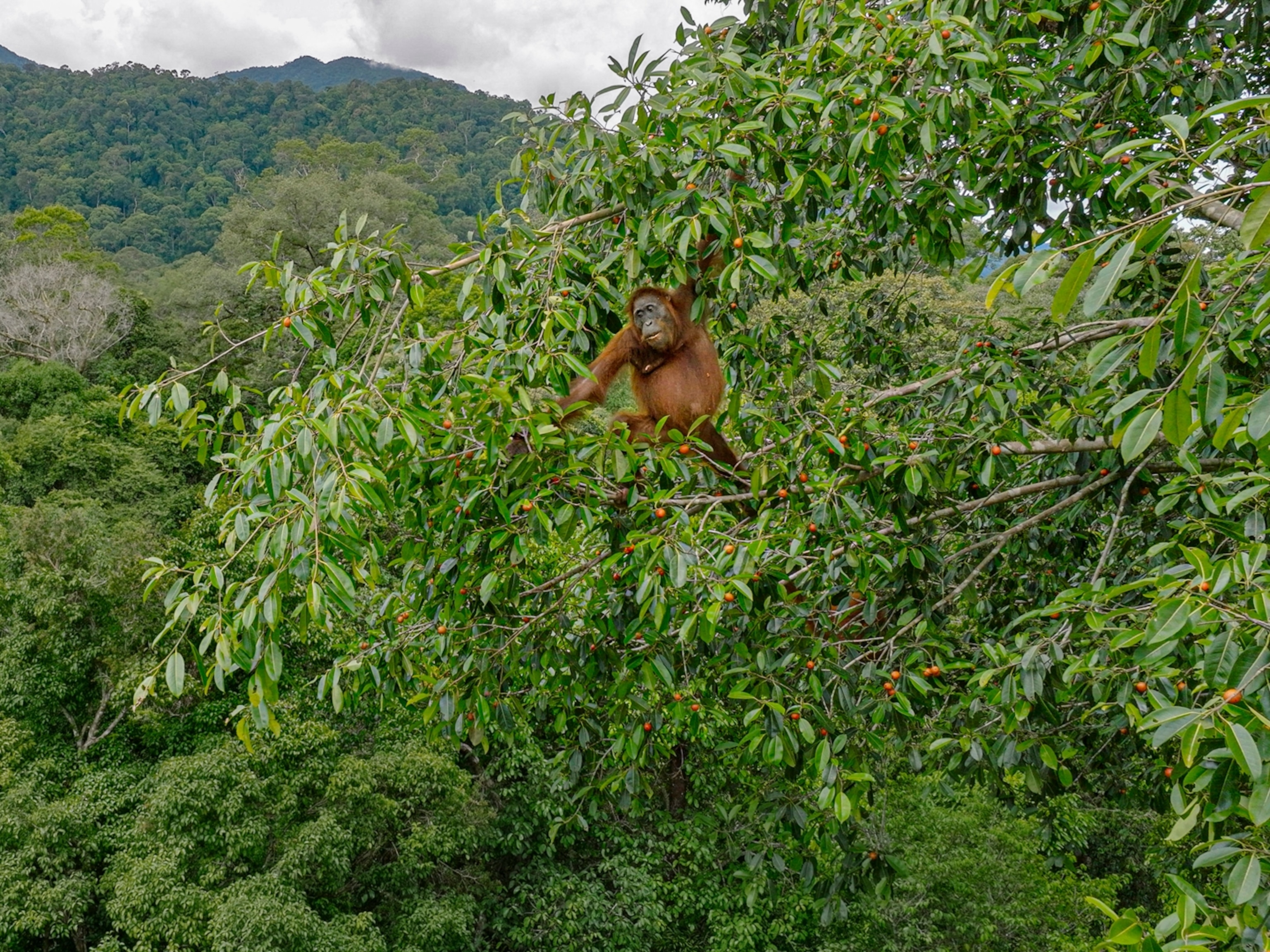
Many of the plants found in rainforests are being used to make medicine, including anti-cancer drugs, along with beauty products and foods. One drug under development for treating HIV, Calanolide A, is derived from a tree discovered on Malaysian Borneo. And Brazil nut trees refuse to grow anywhere but in undisturbed sections of the Amazon rainforest. There, the trees are pollinated by bees that also visit orchids, and their seeds are spread by agoutis, small tree mammals. Rainforests are also home to endangered or protected animals such as the Sumatran rhino, orangutans, and jaguars.
Forest trees also absorb carbon, an important function needed as human-caused greenhouse gas emissions stoke climate change. Rainforest loss is a double-whammy for the climate: It contributes emissions while removing a future potential source of carbon storage. Human activity has caused tropical rainforests to emit more carbon dioxide than they absorb at this point, according to one study.
Rainforest protection
Organizations and governments around the world are engaged in trying to protect rainforests. In Indonesia, notes Global Forest Watch, primary forest loss in 2017 dropped to its lowest rate since 2003 after the government enacted policies to protect certain areas.
Conservation groups, activists, and indigenous communities also play an important role. National Geographic Explorer Topher White, for example, has come up with a way to use recycled cell phones to monitor for chainsaws, while other groups, including the Rainforest Action Network and Conservation International, are working to monitor forests and create economies that thrive by protecting these ecosystems rather than destroying them, such as local tourism and sustainable products. In Brazil, thousands of indigenous people have staged demonstrations to reinforce their claim to threatened lands, arguing that they are often better stewards of rainforests and the wildlife they contain than national governments. Other efforts focus on reforestation, planting trees and reintroducing wildlife—in the Amazon, for example, a large-scale project announced in 2017 aims to plant 73 million trees.
You can help too. Support conservation efforts, consider ecotourism vacations, and look for sustainable products and meats where possible, using certifications and ratings from nonprofit groups such as the Forest Stewardship Council, the Rainforest Alliance, and the World Wildlife Fund.
You May Also Like




Go Further
Animals
- How can we protect grizzlies from their biggest threat—trains?How can we protect grizzlies from their biggest threat—trains?
- This ‘saber-toothed’ salmon wasn’t quite what we thoughtThis ‘saber-toothed’ salmon wasn’t quite what we thought
- Why this rhino-zebra friendship makes perfect senseWhy this rhino-zebra friendship makes perfect sense
- When did bioluminescence evolve? It’s older than we thought.When did bioluminescence evolve? It’s older than we thought.
- Soy, skim … spider. Are any of these technically milk?Soy, skim … spider. Are any of these technically milk?
Environment
- Are the Great Lakes the key to solving America’s emissions conundrum?Are the Great Lakes the key to solving America’s emissions conundrum?
- The world’s historic sites face climate change. Can Petra lead the way?The world’s historic sites face climate change. Can Petra lead the way?
- This pristine piece of the Amazon shows nature’s resilienceThis pristine piece of the Amazon shows nature’s resilience
- Listen to 30 years of climate change transformed into haunting musicListen to 30 years of climate change transformed into haunting music
History & Culture
- Meet the original members of the tortured poets departmentMeet the original members of the tortured poets department
- Séances at the White House? Why these first ladies turned to the occultSéances at the White House? Why these first ladies turned to the occult
- Gambling is everywhere now. When is that a problem?Gambling is everywhere now. When is that a problem?
- Beauty is pain—at least it was in 17th-century SpainBeauty is pain—at least it was in 17th-century Spain
Science
- Here's how astronomers found one of the rarest phenomenons in spaceHere's how astronomers found one of the rarest phenomenons in space
- Not an extrovert or introvert? There’s a word for that.Not an extrovert or introvert? There’s a word for that.
- NASA has a plan to clean up space junk—but is going green enough?NASA has a plan to clean up space junk—but is going green enough?
- Soy, skim … spider. Are any of these technically milk?Soy, skim … spider. Are any of these technically milk?
Travel
- Dina Macki on Omani cuisine and Zanzibari flavoursDina Macki on Omani cuisine and Zanzibari flavours
- How to see Mexico's Baja California beyond the beachesHow to see Mexico's Baja California beyond the beaches
- Could Mexico's Chepe Express be the ultimate slow rail adventure?Could Mexico's Chepe Express be the ultimate slow rail adventure?
