-
Water Striders
Photograph by Christian Meyn, My Shot
Many of the world’s insects have an intimate relationship with freshwater. Some aquatic bugs, like the water striders shown here, live on or near the surface and may even dive below before emerging again to breathe air. Other insects hatch from eggs and spend the first part of their lives underwater, and when they eventually leave the water for land, they never stray too far from a pond or stream even as adults. Insects are important links in the freshwater food chain and are popular prey for fish and other aquatic animals.
-
Water Strider
Photograph by John Moran, My Shot
Sometimes called pond skaters, water striders make up more than 350 species of the freshwater insect family Gerridae. These insects use their long legs, up to twice their body size, to stay afloat and propel themselves. Their short front legs are used to snare prey on the water’s surface. Here, a water strider on Florida’s Ocklawaha River pounces on an incapacitated yellow fly. The insects have also been known to prey on their own kind.
-
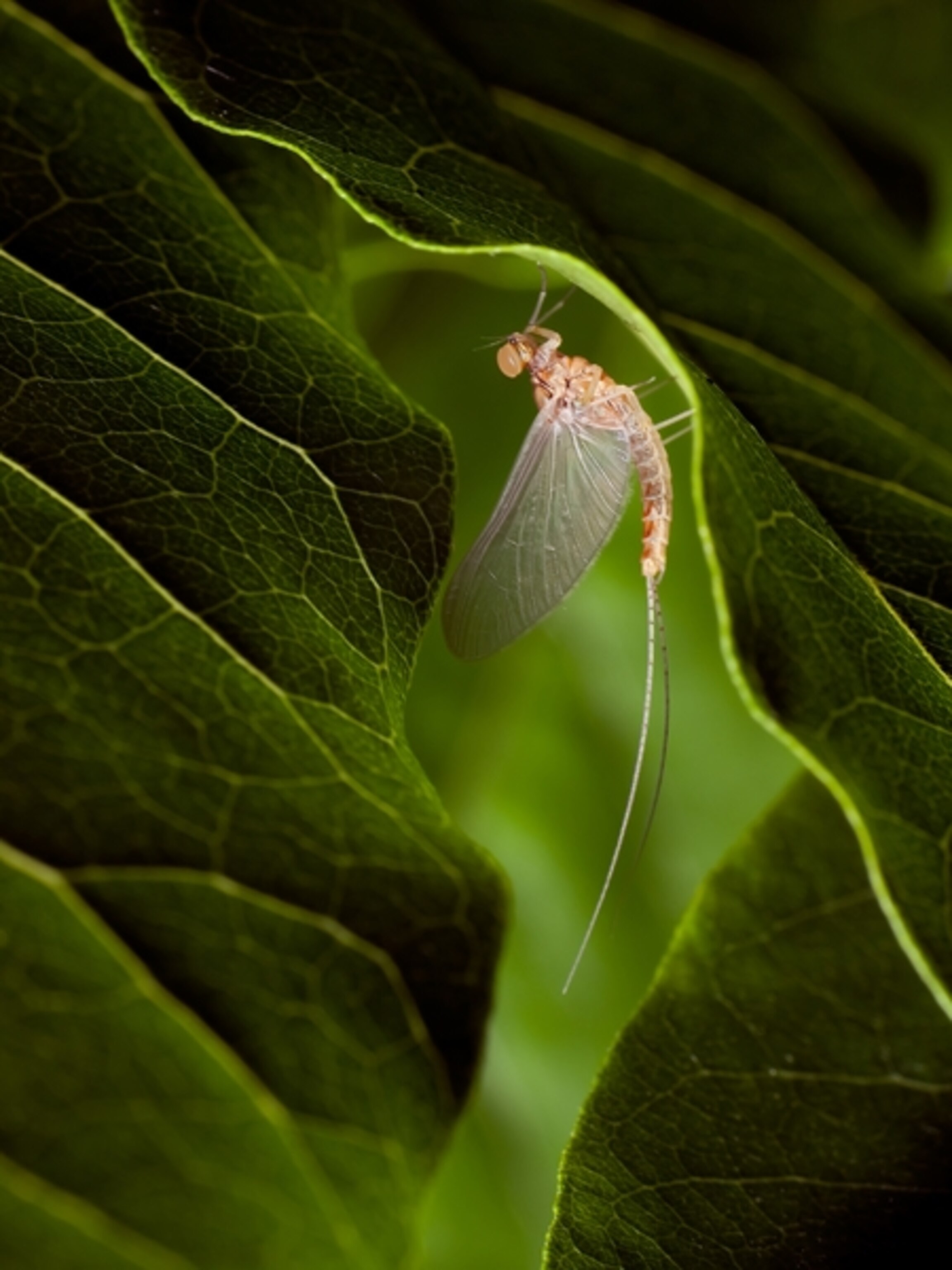
Mayfly
Photograph by Jacco Ng Huijsmans, My Shot
Mayflies, like this one clinging to the underside of a leaf, live only one or two nights as adults. But that short lifespan still gives the insects time to mate by mixing in midair swarms and laying their eggs in freshwater. After mayfly young hatch and make their way to the surface or shoreline, they fly into the foliage to renew a timeless reproductive cycle. The entire process takes about one year to complete—unless interrupted by the hungry trout that love to feast on fat mayflies.
-
Red Dragonfly
Photograph by Nachum Weiss, My Shot
Earth is home to about 5,500 different dragonfly species. Some of these insects are only the size of a human thumbnail, while others are big enough to cover a human face. Dragonflies are survivors that have changed very little over the last 250 million years, but today’s species descend from ancient relatives that were far larger. Fossil evidence shows that some ancient dragonflies grew to the size of living hawks.
-
Dragonfly
Photograph by Joshua Cortopassi, My Shot
Dragonflies—like this one in a park in Darwin, Australia—are formidable predators that are greatly aided by their sophisticated compound eyes. Each large dragonfly eye is actually composed of some 30,000 smaller units that allow the insect to see in all directions. Powerful wings enable dragonflies to fly at up to 30 miles an hour and to snare prey in midair with a set of powerful, sharp-spined legs. These insects can also eat in midair and will feast on flies, mosquitoes, and other insects—including other dragonflies.
-
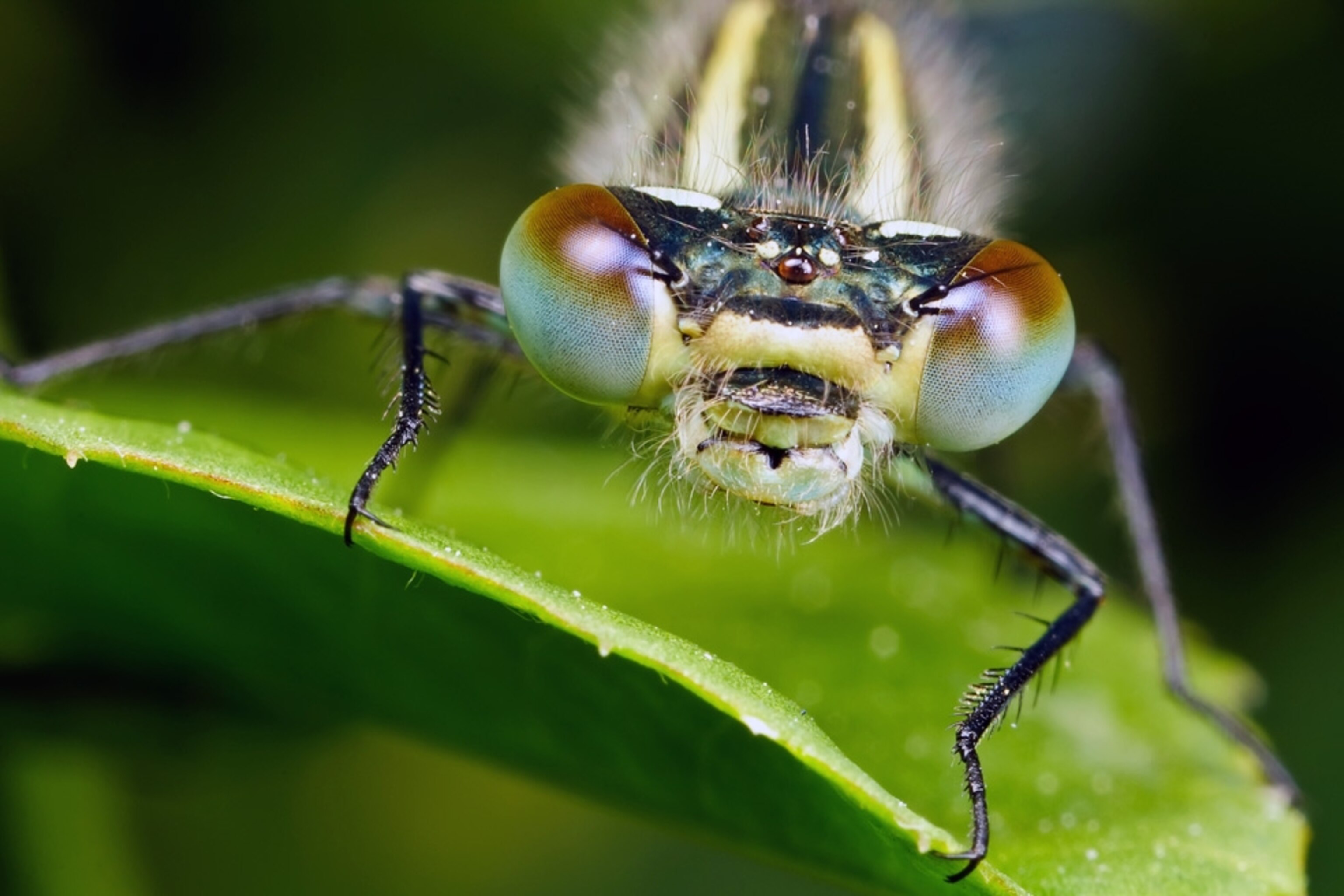
Damselfly
Photograph by John Kimbler, My Shot
Damselflies can be recognized by their bright colors and wide-set eyes, the latter of which distinguishes them from the similar-looking dragonfly. The largest of some 2,600 damselfly species is a Central and South American giant that boasts an astonishing 7.5-inch wingspan. These insects are typically found near freshwater habitats, and females of several species actually submerge themselves in water for up to an hour in order to deposit their eggs under the surface.
-
Blue Dragonfly
Photograph by Brian Kalish
Dragonflies emerge from their eggs underwater and spend a year as larvae swimming in freshwater lakes, streams, or rivers. The young insects eventually climb onto shore, shed their hard skin, and dry their new wings for an hour or two. Those that survive this dangerous, defenseless period are able to fly off as adults. The mature stage of a dragonfly’s life is rather short, however. Adults typically live only from a few weeks to a few months.
-
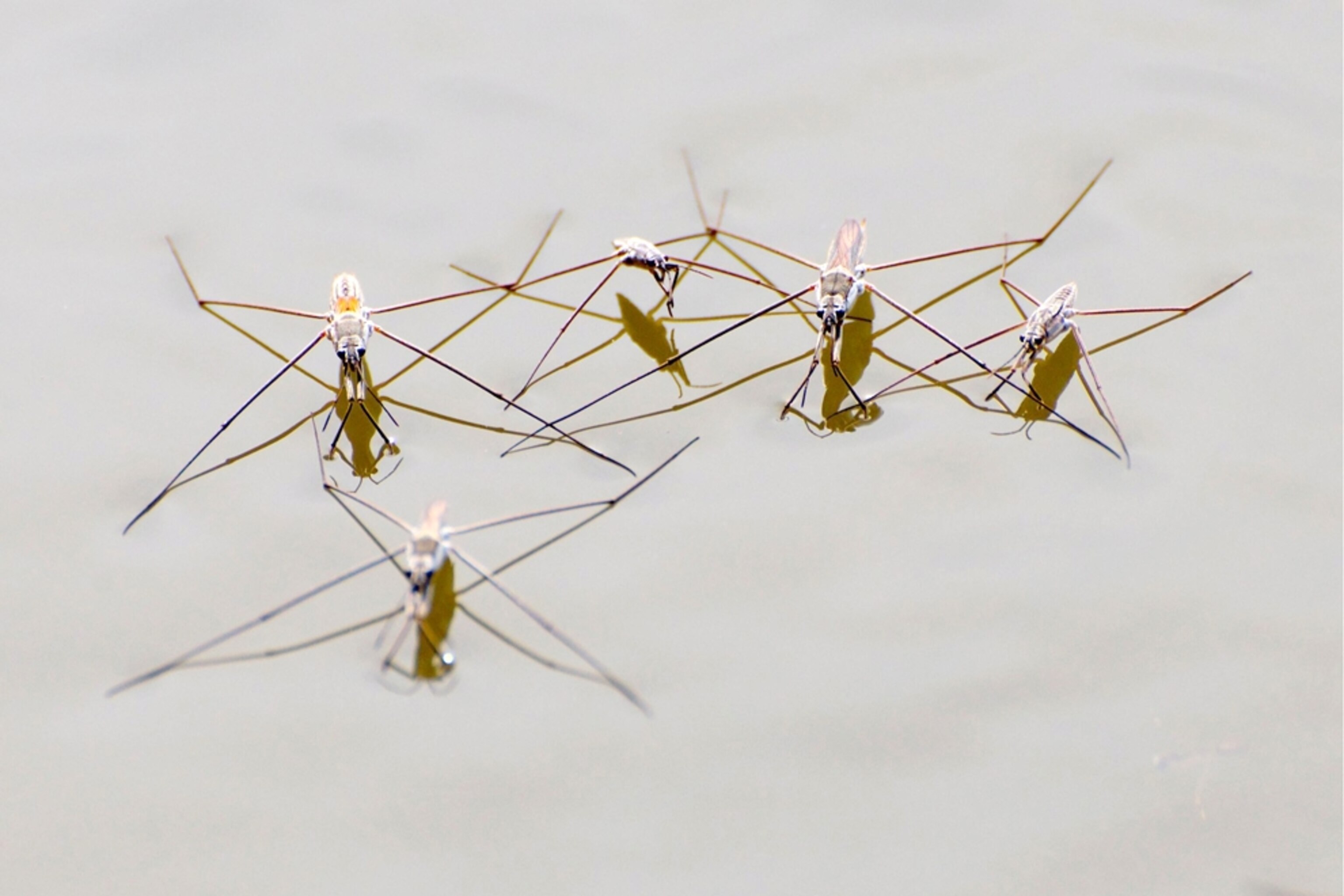
Thai Water Striders
Photograph by Asawin Lekprathum, My Shot
Water striders, like these Thai specimens, can not only walk on water but also can carry 15 times their own weight and still stay afloat. Their legs are covered with tiny, grooved hairs that trap air bubbles and create the incredible “water walking” ability that long puzzled scientists. Water striders use their legs as oars to propel themselves across water. Layered hairs, largely invisible at under 3 micrometers in diameter (a human hair is 80-100 micrometers), keep the legs dry and buoyant.
-
Mosquitoes
Photograph by Gergely Komaromi, My Shot
Well known as summer pests, bloodsucking mosquitoes also present a deadly health hazard in some parts of the world, transmitting dangerous diseases like malaria, dengue, and yellow fever. The insects locate their victims by sensing body odors, temperatures, and even exhaled carbon dioxide. Only females actually suck blood, which they require as a source of protein to nourish their eggs. For their own sustenance, both male and female mosquitoes prefer nectar and plant sugars.
-
Mosquito on a Daisy
Photograph by Renaud Rianasoa Raharijaona, My Shot
Observed on August 20, World Mosquito Day brings attention to the dangers of the persistent pests, which carry more than 500 viruses to humans and their pets, including dogs, cats, and horses. The notorious Asian tiger mosquito, a carrier of West Nile virus, was introduced to the United States only about 20 years ago. Humans can protect themselves by covering up, using repellent, repairing screens, and eliminating the places where mosquitoes breed—small puddles of standing freshwater.
Help Save the Colorado River
You can help restore freshwater ecosystems by pledging to cut your water footprint. For every pledge, Change the Course will restore 1,000 gallons back to the Colorado River.
Freshwater Advocates
-
Sandra Postel
Sandra is a leading authority on international freshwater issues and is spearheading our global freshwater efforts.
-
Jonathan Waterman
He's paddled the Colorado River from its headwaters to the delta, in an effort to bring awareness to this mighty river at risk.
-
Osvel Hinojosa Huerta
For more than 15 years, Osvel Hinojosa Huerta has been resurrecting Mexico's Colorado River Delta wetlands.
Advertisement
Water Currents, by Sandra Postel and Others
-
Fracker’s Quest: More Water
Drillers turn to alternative sources of water for fracking, but concerns remain.
-
Endangered Frogs Released With Tiny Transmitters
California's mountain yellow-legged frog gets new hope from captive breeding.
-
Timelapse Shows Beauty of Lake Superior
A year in the making, this video highlights nature's splendor.
Special Ad Section
The World's Water
-
Help Save the Colorado River
NG's new Change the Course campaign launches. When individuals pledge to use less water in their own lives, our partners carry out restoration work in the Colorado River Basin.
-
Water Grabbers: A Global Rush on Freshwater
A special series on how grabbing water from poor people and future generations threatens global food security, environmental sustainability, and local cultures.
