






Deserts, explained
Deserts may seem lifeless, but in fact many species have evolved special ways to survive in the harsh environments.
Far from being barren wastelands, deserts are biologically rich habitats with a vast array of animals and plants that have adapted to the harsh conditions there. Some deserts are among the planet's last remaining areas of total wilderness. Yet more than one billion people, one-sixth of the Earth's population, actually live in desert regions.
What is a desert?
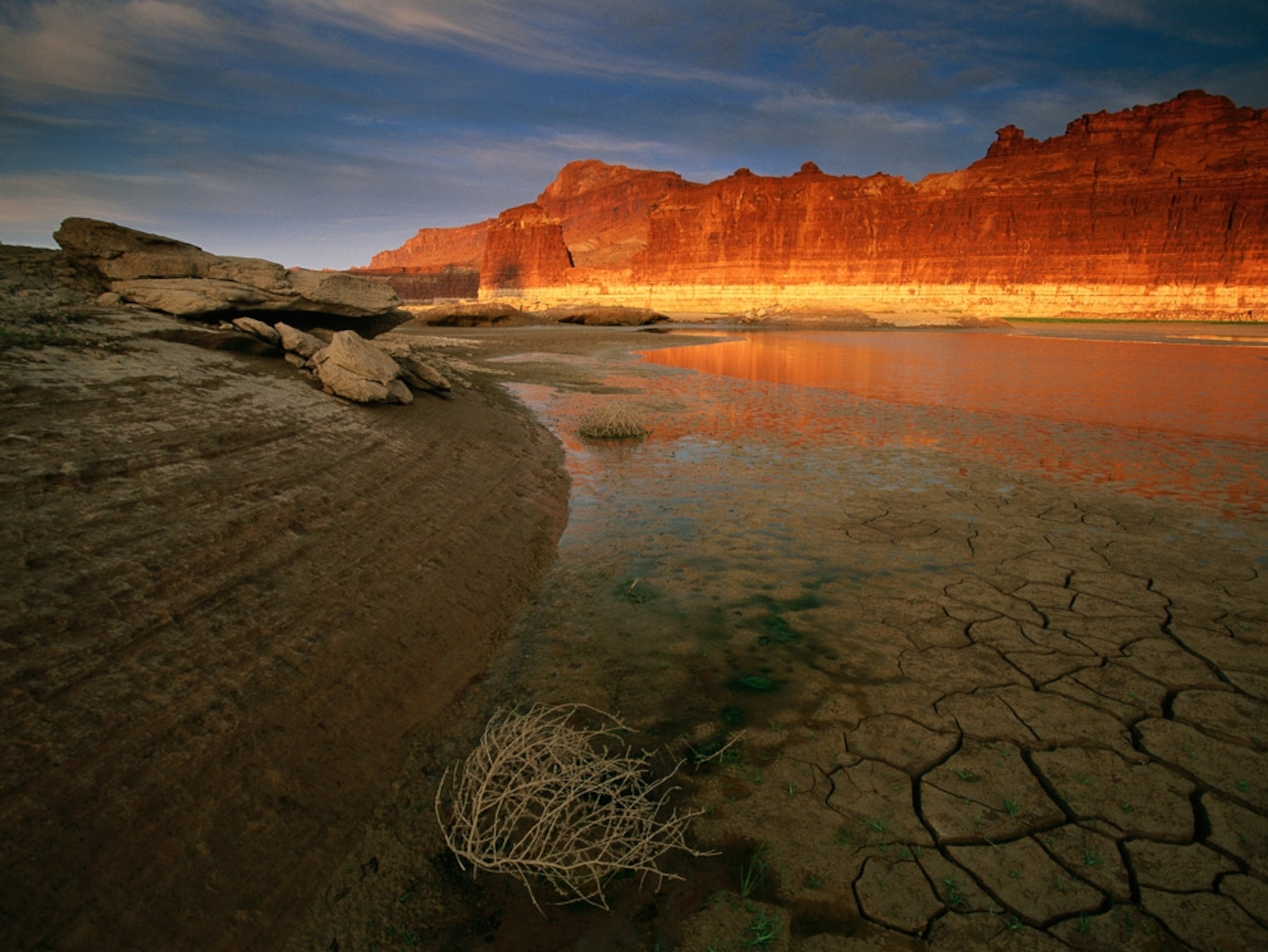
Deserts cover more than one-fifth of the Earth's land area, and they are found on every continent. A place that receives less than 10 inches (25 centimeters) of rain per year is considered a desert. Deserts are part of a wider class of regions called drylands. These areas exist under a “moisture deficit,” which means they can frequently lose more moisture through evaporation than they receive from annual precipitation.
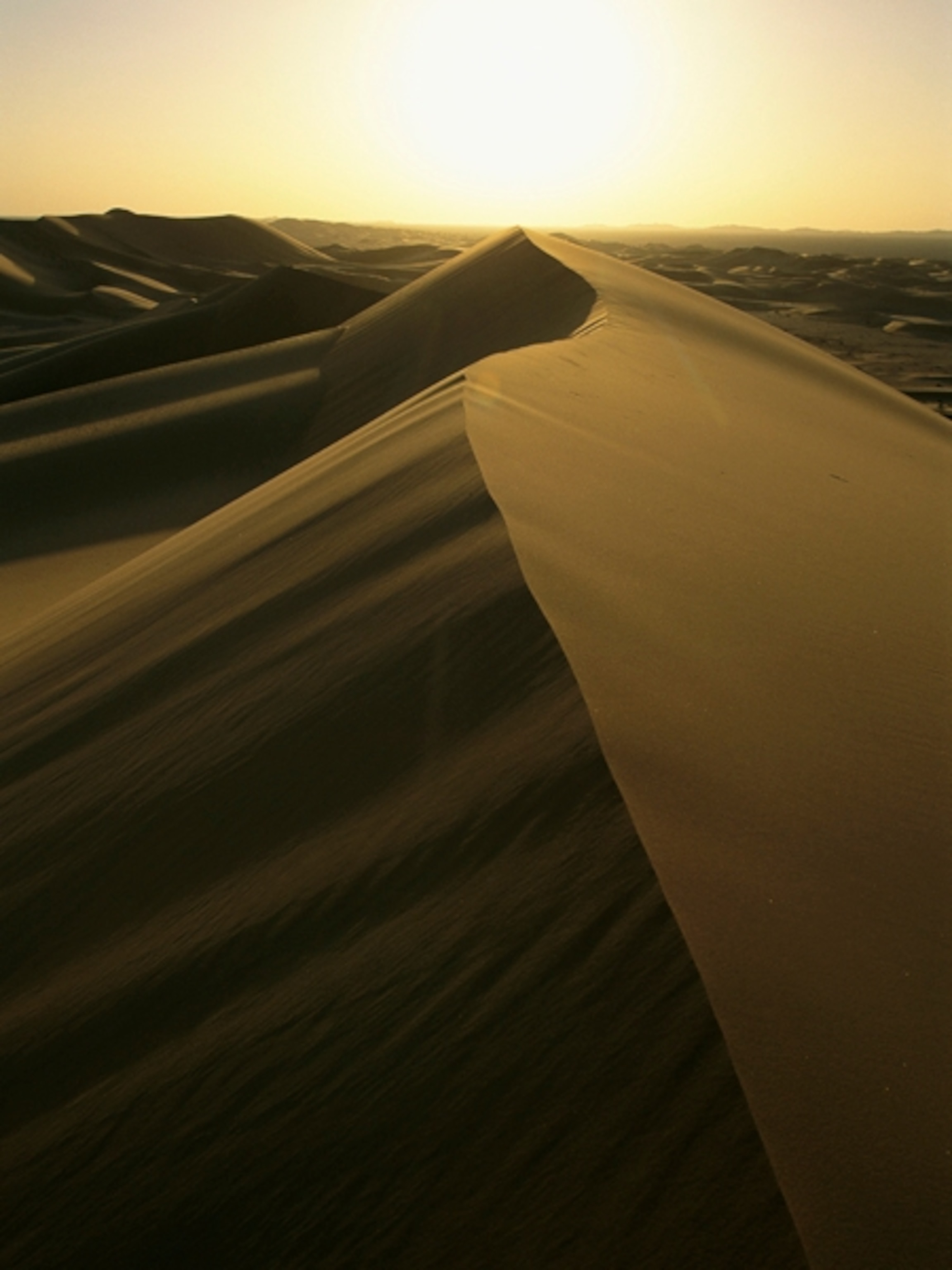
Despite the common conceptions of deserts as hot, there are cold deserts as well. The largest hot desert in the world, northern Africa's Sahara, reaches temperatures of up to 122 degrees Fahrenheit (50 degrees Celsius) during the day. But some deserts are always cold, like the Gobi desert in Asia and the polar deserts of the Antarctic and Arctic, which are the world's largest. Others are mountainous. Only about 20 percent of deserts are covered by sand.
The driest deserts, such as Chile's Atacama Desert, have parts that receive less than .08 inches (2 mm) of precipitation a year. Such environments are so harsh and otherworldly that scientists have even studied them for clues about life on Mars. On the other hand, every few years, an unusually rainy period can produce "super blooms," where even the Atacama becomes blanketed in wildflowers.
Desert animals and plants
Desert animals have evolved ways to help them keep cool and use less water. Camels can go for weeks without water, and their nostrils and eyelashes can form a barrier against sand. Many desert animals, such as the fennec fox, are nocturnal, coming out to hunt only when the brutal sun has descended. Some animals, like the desert tortoise in the southwestern United States, spend much of their time underground. Most desert birds are nomadic, crisscrossing the skies in search of food. And among insects, the Namibian desert beetle can harvest fog from the air for water. Because of their very special adaptations, desert animals are extremely vulnerable to changes in their habitat.
Desert plants may have to go without fresh water for years at a time. Some plants have adapted to the arid climate by growing long roots that tap water from deep underground. Other plants, such as cacti, have special means of storing and conserving water.
Deserts, land use, and climate change
Some of the world's semi-arid regions are turning into desert at an alarming rate. This process, known as desertification, is not caused by drought, but usually arises from deforestation and the demands of human populations that settle on the semi-arid lands. The pounding of the soil by the hooves of livestock in ranching, for example, may degrade the soil and encourage erosion by wind and water. In northern China, growing urbanization, which left much of the land unprotected against wind erosion and the buildup of sediment from the surrounding desert, created a desertification problem, prompting the government to build a "great green wall" as a hedge against encroaching desert.
In existing deserts, some species are in peril because of climate change. Global warming threatens to change the ecology of deserts: Higher temperatures may produce more wildfires that alter desert landscapes by eliminating slow-growing trees and shrubs and replacing them with fast-growing grasses.
Many desert plants can live for hundreds of years. But in California, the iconic Joshua tree—the oldest found was 1,000 years old—may not survive a hotter climate, scientists warn. If they don't survive, that could affect species such as the yucca moth, which lays its eggs inside the Joshua tree flower.
Desert bird species could also be in danger from climate change, as heat waves lead to lethal dehydration.
Paradoxically, the effort to reduce planet-warming greenhouse gas emissions by expanding solar energy has also created some tensions for desert habitats. In the Mojave, the 2013 arrival of the Ivanpah solar thermal plant created concerns about how the facility would affect threatened desert tortoises, and conservationists are working to ensure solar energy projects like these can coexist with wildlife.
Other land use changes also threaten to degrade desert habitats. The downsizing of the Grand Staircase-Escalante National Monument poses a threat to some of the 660 bee species that live in the area, while the prospect of a border wall between the U.S. and Mexico could disconnect a third of 346 native wildlife species from 50 percent or more of their range that lies south of the border, including the desert bighorn sheep.
You May Also Like


Go Further
Animals
- How can we protect grizzlies from their biggest threat—trains?How can we protect grizzlies from their biggest threat—trains?
- This ‘saber-toothed’ salmon wasn’t quite what we thoughtThis ‘saber-toothed’ salmon wasn’t quite what we thought
- Why this rhino-zebra friendship makes perfect senseWhy this rhino-zebra friendship makes perfect sense
- When did bioluminescence evolve? It’s older than we thought.When did bioluminescence evolve? It’s older than we thought.
- Soy, skim … spider. Are any of these technically milk?Soy, skim … spider. Are any of these technically milk?
Environment
- Are the Great Lakes the key to solving America’s emissions conundrum?Are the Great Lakes the key to solving America’s emissions conundrum?
- The world’s historic sites face climate change. Can Petra lead the way?The world’s historic sites face climate change. Can Petra lead the way?
- This pristine piece of the Amazon shows nature’s resilienceThis pristine piece of the Amazon shows nature’s resilience
- Listen to 30 years of climate change transformed into haunting musicListen to 30 years of climate change transformed into haunting music
History & Culture
- Meet the original members of the tortured poets departmentMeet the original members of the tortured poets department
- Séances at the White House? Why these first ladies turned to the occultSéances at the White House? Why these first ladies turned to the occult
- Gambling is everywhere now. When is that a problem?Gambling is everywhere now. When is that a problem?
- Beauty is pain—at least it was in 17th-century SpainBeauty is pain—at least it was in 17th-century Spain
Science
- Here's how astronomers found one of the rarest phenomenons in spaceHere's how astronomers found one of the rarest phenomenons in space
- Not an extrovert or introvert? There’s a word for that.Not an extrovert or introvert? There’s a word for that.
- NASA has a plan to clean up space junk—but is going green enough?NASA has a plan to clean up space junk—but is going green enough?
- Soy, skim … spider. Are any of these technically milk?Soy, skim … spider. Are any of these technically milk?
Travel
- How to see Mexico's Baja California beyond the beachesHow to see Mexico's Baja California beyond the beaches
- Could Mexico's Chepe Express be the ultimate slow rail adventure?Could Mexico's Chepe Express be the ultimate slow rail adventure?

